Business and Personal Insurance Experts
Call 877-357-3963
September 18, 2026
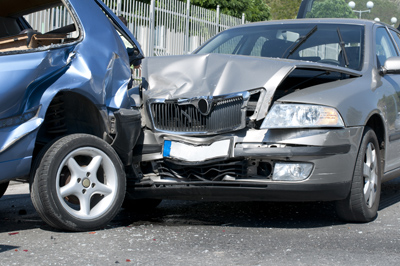
When choosing auto insurance coverage, it is important to understand what each type of protection covers. Collision and Other Than Collision, commonly called comprehensive coverage, protect your vehicle from different types of damage.
Collision coverage helps pay to repair or replace your vehicle when it is damaged in an accident involving another vehicle or object, regardless of who caused the accident. Examples include:
Collision coverage generally applies to accident-related damage to your own vehicle and is subject to your policy's deductible and limits.
Other Than Collision coverage, often referred to as comprehensive coverage, helps protect your vehicle from damage caused by events other than a collision. Depending on your policy, covered events may include:
Like collision coverage, comprehensive coverage typically has a deductible that you choose when purchasing your policy.
The simplest way to understand the difference is:
Collision coverage generally protects against damage caused by your vehicle colliding with another vehicle or object. Comprehensive coverage protects against many other covered risks, such as theft, fire, vandalism, weather, and animal damage.
Having both types of coverage can provide broader protection for your vehicle. However, coverage, exclusions, deductibles, and policy requirements can vary by insurer and policy.
Whether you need both depends on factors such as your vehicle, how you use it, your financing or lease requirements, and your desired level of protection. If you finance or lease a vehicle, your lender may require certain physical damage coverage.
Understanding your policy before you need to file a claim can help you make informed insurance decisions.
TriState Business Insurance can help you understand your auto insurance options and find coverage suited to your needs. Fill out the form below to get a free consultation and insurance quote.
*are required fields.