Business and Personal Insurance Experts
Call 877-357-3963
June 30, 2026
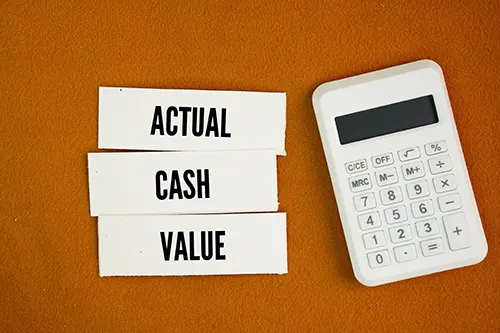
Understanding how your insurance policy values covered property is essential before you experience a loss. Here's a quick comparison of the two most common valuation methods:
Replacement Cost – Pays to repair or replace damaged property with a new item of similar kind and quality, without deducting for depreciation (subject to your policy's terms, conditions, and limits).
Actual Cash Value (ACV) – Pays the current value of damaged property after depreciation is deducted for age, wear, and condition.
Replacement Cost Coverage – Typically provides greater financial protection but may come with higher insurance premiums.
ACV Coverage – Often has lower premiums, but you may pay more out of pocket when replacing damaged property.
Choosing the Right Coverage – Depends on your budget, the value of your business assets, and the level of financial protection you want.
While both coverage options help protect your business after a covered loss, they work differently when it comes time to settle a claim. Replacement Cost coverage is designed to help you replace damaged property with comparable new items, allowing your business to recover more quickly without factoring in depreciation. Actual Cash Value coverage, on the other hand, considers the age and condition of the property, which means the claim payment may be less than the cost of purchasing a replacement.
Selecting the right valuation method is an important part of your overall risk management strategy. Understanding how your policy responds before a loss occurs can help you avoid unexpected expenses and ensure your business is prepared for the future.
At TriState Business Insurance, our experienced team is here to help you understand your coverage options and choose a policy that fits your business's unique needs. Contact us today to review your current insurance and make sure you have the protection your business deserves.
*are required fields.